If you’ve ever had your web scraper blocked mid-run, you already know how frustrating scraping without proxies can be. Proxies for web scraping hide your real IP and help you avoid bans, rate limits, and CAPTCHAs.
But there is a large variety of proxy solutions out there. Some are faster, some are sneakier, and others just cost way too much for what they offer. That’s why choosing the best proxies for web scraping is a must.
In this guide, you’ll learn:
- What web scraping proxies are and why they matter
- The different types available (residential, datacenter, mobile)
- What are the best web scraping proxy options in 2025
- How to choose a proxy service based on your scraping needs
- Common mistakes to avoid when picking a proxy scraper setup
What is a Proxy for Web Scraping and Why Use It?
When you’re scraping data from the web, you’re essentially sending a bunch of requests to a website. If those requests come from the same IP address, sites will catch on and start blocking you.
Proxies for web scraping act as intermediaries between your scraper and your target websites. They mask your original IP address, making requests appear as if they’re coming from different users. This mechanism is what reduces your chance of getting blocked.
Using a good web scraping proxy matters because proxies enable you to:
- Avoid getting blocked – Proxies rotate your IP address so sites can’t detect scraping activity easily.
- Access geo-restricted content – Want to see prices in the US or UK? Proxies let you target specific regions like China, Germany, etc., by selecting IPs from those areas, enabling localized data scraping.
- Increase success rate – With the right proxies, your scraper can bypass CAPTCHAs, IP bans, and firewalls.
- Scale safely – When you need to collect thousands of pages quickly, proxies allow you to parallelize requests without detection.
Proxies work by masking your IP and making requests appear as if they come from different users, which is essential for scraping public data from various sites. Using proxies gives your scraper the stealth and flexibility it needs to operate efficiently.
Some situations where proxies are absolutely essential:
- Scraping large volumes of product listings or reviews.
- Collecting search engine results (SERP scraping).
- Gathering data from social media platforms.
- Running scrapers 24/7 without getting banned.
Without a proxy, even a small-scale scraper can get blocked in minutes. With the right proxy services for scraping, you can run complex data collection operations without interruptions.
Types of Proxies for Web Scraping
Choosing the best proxy type for your scraper depends on your budget, speed requirements, and how stealthy you need to be. There are key differences between proxy types and various protocols—such as HTTP, HTTPS, and SOCKS5—that impact their suitability for general web scraping tasks. These protocols differ in compatibility, security, and performance, which can affect how efficiently you collect data. With a wide range of proxy options and proxy solutions available, selecting the right one is crucial for your web scraping project to ensure reliability and scalability. Let’s break down the main types of proxies for web scraping you’ll run into.
1. Residential Proxies
Residential proxies use residential IP addresses assigned by internet service providers (ISPs) to private residences. Websites see them as ordinary users, which means fewer blocks or CAPTCHAs. They’re perfect for sites that actively detect scrapers.
- Great for scraping protected or sensitive websites
- High anonymity, low ban rate
- Typically more expensive
- Slower compared to datacenter proxies
Because residential proxies use authentic IPs provided by ISPs, they are less likely to be flagged as bots, but this also makes them generally more expensive than datacenter proxies.
2. Datacenter Proxies
Datacenter proxies are hosted on cloud servers. Most proxies used for bulk scraping are datacenter proxies, but they come with a higher flagging risk because websites can easily detect and block them.
- Best for large-scale scraping jobs
- Low cost, high speed
- May trigger blocks on well-defended sites
Datacenter proxies are the most cost-effective option, but are easily detected by sophisticated anti-bot systems due to their known IP ranges.
3. Mobile Proxies
Mobile proxies use IP addresses from 3G/4G/5G mobile networks. They’re the most trusted proxy type because websites hesitate to block mobile IPs.
- Ideal for scraping social media or ad verification
- Extremely stealthy, but slower and costly
- Limited IP pool compared to others
Which Proxy Type Should You Use?
Here’s a quick comparison of different proxy types for web scraping:
| Proxy Type | Speed | Anonymity | Cost | Ideal Use-Case |
| Residential | Moderate | High | Medium-High | Scraping well-protected websites |
|
Datacenter (including dedicated proxies) |
High | Moderate | Low | Bulk scraping tasks |
| Mobile | Moderate | Highest | High | Social media, mobile-only sites |
Key differences: Dedicated proxies are used exclusively by one user at a time, offering high speed and reliability—ideal for professional web scraping setups where performance and stability are critical. In contrast, rotating residential proxies cycle through different proxies (IP addresses) for each request to maintain anonymity and reduce the risk of bans, but may not be suitable for tasks requiring session persistence.
A sticky session allows you to maintain the same IP address for a set period (such as 1, 10, or 30 minutes) when using residential proxies, which is useful if your scraping task requires a consistent session. Otherwise, rotating proxies assign different proxies for each request, which is better for anonymity but can disrupt session-based activities.
- Choose residential proxies when scraping sensitive sites like e-commerce or real estate platforms.
- Go with datacenter proxies or dedicated proxies for fast, large-volume scraping where stealth is less important.
- Use mobile proxies if your targets are extremely aggressive or mobile-specific.
Best Proxies for Web Scraping (Top Picks in 2026)
Choosing the right proxy provider and proxy options can make or break your scraping project. Top providers offer curated proxy lists and a wide variety of proxy IP addresses to suit different needs, helping you avoid detection, bans, and geographical restrictions. We’ve handpicked the best web scraping proxy providers in 2026 based on speed, reliability, proxy pool size, and ease of use. Paid proxy providers typically deliver better reliability and advanced features compared to free options, making them ideal for both small-scale and enterprise scraping. Some providers also offer web scraping APIs, which handle proxy management and anti-blocking measures for you, streamlining the data extraction process.
1. FloppyData
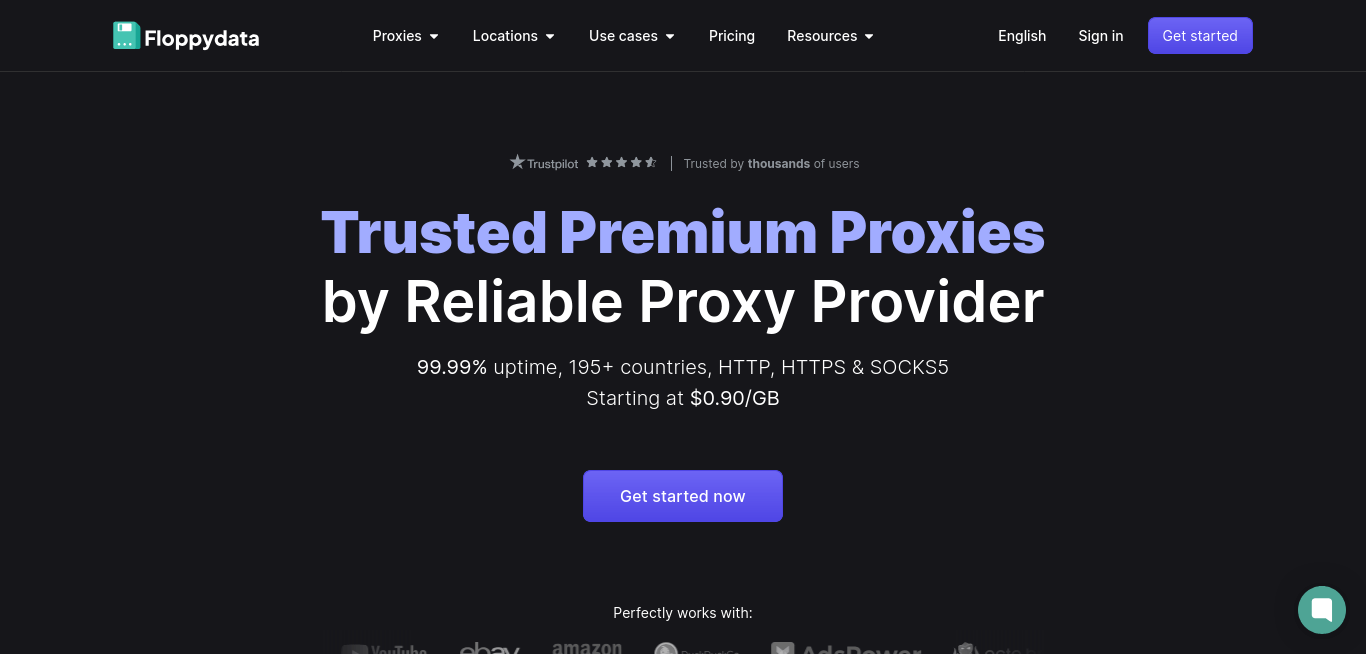
FloppyData offers high-speed, affordable datacenter, residential, and mobile proxies with a robust proxy server infrastructure and user-friendly dashboards. It’s a solid choice for scrapers who want reliable performance without breaking the bank.
Key strengths:
- Great price-to-performance ratio
- Fast response times and easy proxy management
- Support for rotating IPs and geo-targeting
- Flexible plans for beginners and pros
For budget-conscious scrapers, FloppyData delivers both speed and stability. Try their datacenter proxies or explore residential proxies based on your scraping needs.
2. Oxylabs
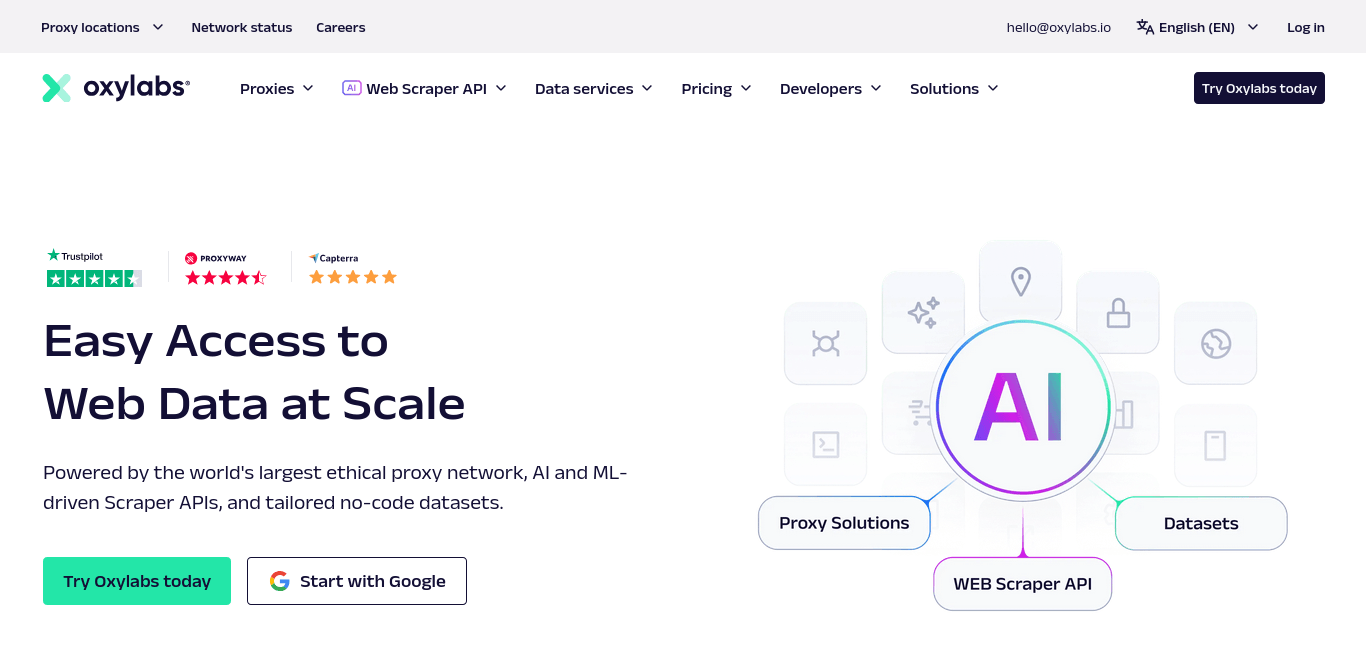
Oxylabs has built a reputation around enterprise-grade proxies. Their residential proxy pool is one of the largest, and their infrastructure is optimized for scraping dynamic sites like e-commerce stores and job boards. Oxylabs also offers ISP proxies for geo-targeted scraping, advanced anti-bot systems to bypass detection, and support for JavaScript rendering to extract data from dynamic, JavaScript-heavy websites.
Key strengths:
- 175 M+ residential IPs worldwide
- Built-in web unblocker and session control
- High success rate even on JavaScript-heavy pages
- Excellent for SERPs, travel, and real estate data
Perfect when you need to scrape at scale without worrying about detection.
3. Bright Data
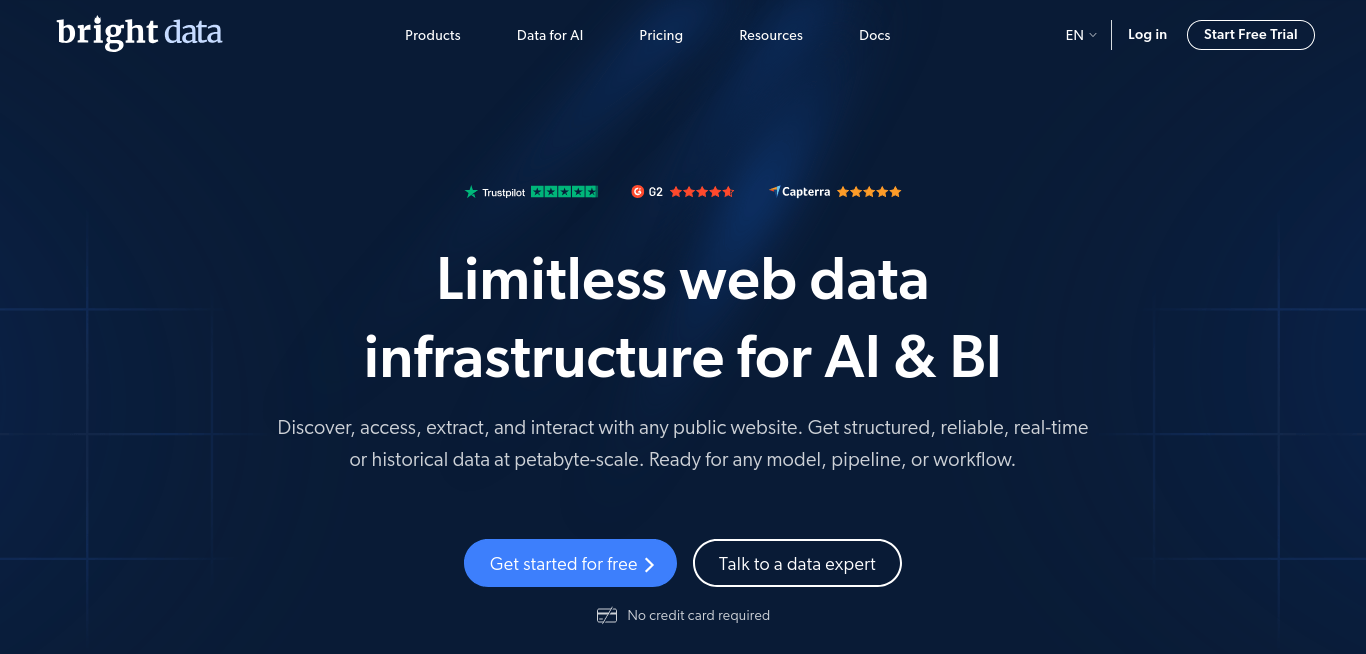
Bright Data is a market leader in proxy services for scraping. They offer a comprehensive web scraping tool that integrates proxy management, rotating user agents, and CAPTCHA handling, making it suitable for collaborative projects involving multiple users. Their platform provides full control, deep analytics, and powerful tools like a Proxy Manager and CAPTCHA solver.
Key strengths:
- Large global proxy network
- Access to residential, mobile, and datacenter proxies
- Built-in compliance tools and data center certifications
- Ideal for enterprise-level operations
It’s one of the priciest options—but the quality is hard to beat.
4. ProxyEmpire
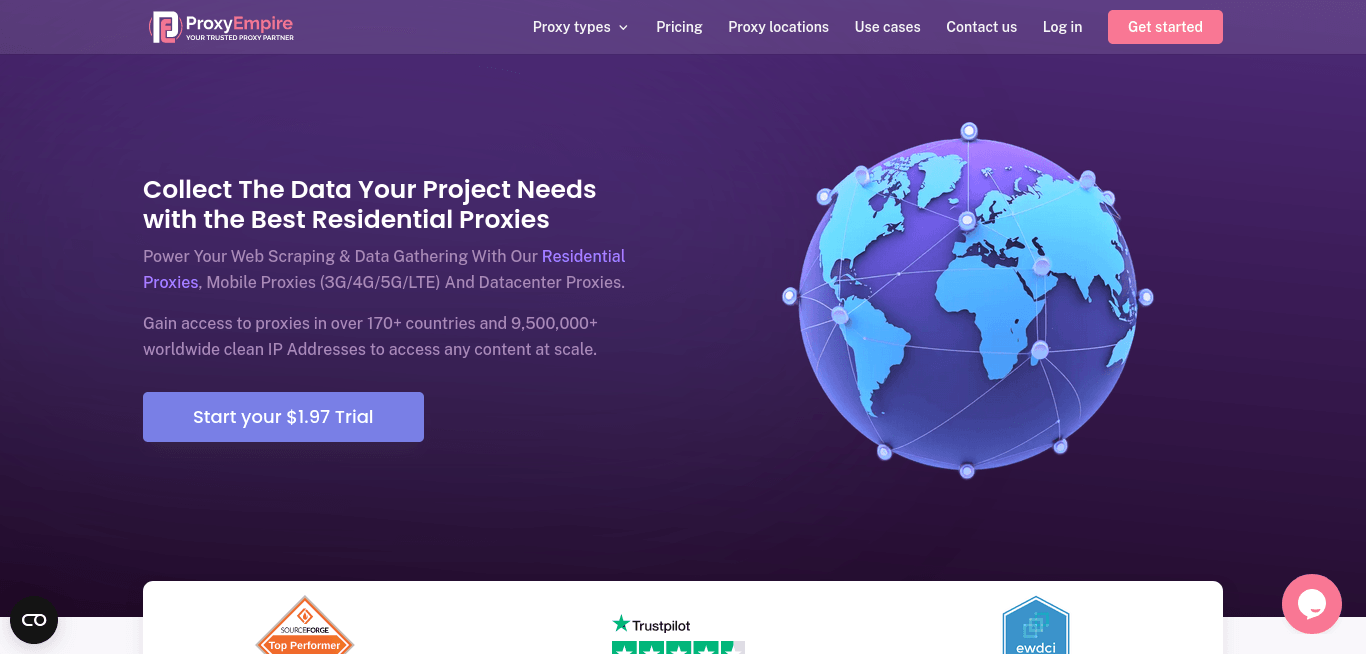
ProxyEmpire is a lesser-known gem offering residential proxies with flexible pricing. It’s a smart option for small teams or hobbyists.
Key strengths:
- Decent pool of rotating residential IPs
- Simple setup, fair pricing
- Supports geo-targeting by country
- Good success rate for mid-volume scraping
A strong middle-ground option when Bright Data is too much, and free proxies aren’t enough.
Here’s a quick overview of these top choices:
| Provider | Proxy Types | Cost Level | Best Use-Case |
| FloppyData | Datacenter, Residential, Mobile | Low | Budget-friendly, high-speed tasks |
| Oxylabs | Residential, Datacenter, ISP, Mobile | High | Complex, protected sites |
| Bright Data | Residential, Datacenter, ISP, Mobile | High | Large-scale, high-volume scraping |
| ProxyEmpire | Datacenter, Residential, Mobile | Medium | Mid-scale, moderate complexity |
How to Choose the Best Proxies for Your Scraping Needs
Not sure which proxy to go with? The “best” proxy depends entirely on your project’s goals, the nature of your target sites, and the type of web data you need to extract. Different proxies are better suited for different web scraping activities—some excel at scraping public data from open websites, while others are designed for accessing protected content or bypassing anti-bot measures on specific target sites. Do you need raw speed, or is staying undetectable more important? Here’s how to figure it out.
1. Identify Your Goal
What are you scraping and how often? If you’re scraping thousands of pages per minute, speed matters most. If your target websites employ anti-bot measures—such as IP bans, CAPTCHAs, or geo-restrictions—you’ll need proxies with higher anonymity to avoid detection and maintain access. If you’re targeting protected websites, anonymity is key.
2. Evaluate Reliability
Look for providers with high uptime (99%+), low error rates, and transparent infrastructure. Some websites implement strict controls to block access by malicious actors, so using a reliable proxy for web scraping is essential to avoid unnecessary disruptions. Read reviews, ask for uptime stats, or check if they offer SLAs (Service Level Agreements).
3. Consider Cost
Balance the budget with performance.
- Datacenter proxies are cheaper, but more detectable.
- Residential proxies cost more, but get blocked less.
- Mobile proxies are the most expensive but rarely fail.
Free proxies may be suitable for testing purposes or initial evaluation, but for production scraping where reliability and efficiency are critical, paid proxies are strongly recommended.
4. Check Proxy Locations
Need to see local prices in Germany or verify ads in the U.S.? Make sure your provider offers IPs in the regions you’re targeting. Some, like FloppyData’s country proxies, let you choose by location.
5. Trial First
Always test before scaling. A good provider will let you run a free or low-cost trial. You can also use free proxy servers or consult free proxy lists for initial trials, but keep in mind these often have limitations in speed and reliability compared to paid options. Test speed, success rate, and how well they handle your specific scraping target.
Common Mistakes When Selecting Proxies for Web Scraping
Choosing the wrong proxy services for scraping can lead to slow scrapers, constant bans, and wasted budget. For example, relying solely on anonymous proxies – which act as intermediaries to conceal your IP address and improve privacy – without proper proxy management, proxy rotation, or a robust proxy pool can quickly result in bans. Not all anonymous proxies offer the same level of anonymity, and using different proxies with effective session management is crucial for successful web scraping. Here are the biggest mistakes to avoid:
Using Free Proxies
They might sound tempting, but most free proxies are slow, overused, and often flagged.
- IPs are shared by thousands of users
- High chance of bans and failed requests
- No support, no uptime guarantees
If you’re serious about scraping, skip the free tier.
Ignoring Proxy Rotation
Sending all requests through the same IP? You’re basically asking to get blocked.
- Use rotating proxies to cycle IPs automatically
- Residential and datacenter services often include this
- Bonus: reduces CAPTCHAs and 403 errors
FloppyData’s rotating proxies are a smart choice for this.
Going Too Cheap
Budget options can work, but going too cheap means bad IPs, weak support, and low success rates.
- You’ll spend more time debugging than scraping
- Slow speeds kill efficiency
- Lack of geo-targeting limits flexibility
Pay for what you need, just make sure the value matches the price.
Not Matching Proxy Type to Scraping Task
-
- Match the tool to the job
- Use residential or mobile proxies when stealth is critical
- Use datacenter proxies when speed and cost-efficiency matter
Forgetting to Test
Always run small-scale tests before committing.
- Check latency, error rate, and content accuracy
- Some providers shine in theory, but flop in practice
Avoid these traps, and your proxy scraper setup will run smoother, faster, and with fewer bans.
Conclusion
Choosing the best proxies for web scraping significantly impacts your scraping success. The right proxy helps avoid blocks, increases efficiency, and saves you time and money.
Carefully consider your goals, budget, and proxy types when selecting proxy services for scraping. Whether speed or anonymity matters more, providers like FloppyData offer reliable solutions that meet most scraping needs.
If you’re looking for a reliable, budget-friendly solution, check out FloppyData’s proxy offerings. From rotating datacenter proxies to residential IPs by location, they’ve got you covered.
FAQ
Which proxy types are best for different web scraping tasks?
- Residential proxies: Ideal for sensitive or anti-scraping targets like e-commerce, due to high stealth.
- Datacenter proxies: Best for bulk scraping where speed matters and stealth is less critical.
- Mobile proxies: Use for very aggressive targets or mobile-specific data extraction.
What makes FloppyData stand out for web scraping?
FloppyData offers fast, cost-effective residential, datacenter, and mobile proxies. They include rotating IPs, geo-targeting, and dashboards that are user-friendly - making it a great middle-ground between performance and affordability.