VPNs are no longer a reliable way to bypass government restrictions on websites. VPN server IPs are publicly known, shared between thousands of users and can trigger CAPTCHAs and verification checks. Proxies are the most reliable method to bypass government blocks on websites and social media. Floppydata proxy stands out as an excellent proxy provider because it offers:
- Residential, mobile, and datacenter proxies
- 70M+ IPs across 195+ countries
- City-level targeting
- High-speed and stable IPs
- Affordable pricing starting at $1/GB
If you’re managing multiple accounts on restricted social media platforms, pairing Floppydata proxies with antidetect browsers like Gologin or 1Browser provides the most secure and consistent setup.
In the complex geo-political climate of 2026, bypassing government-enforced blocks extend far more areas than a few Netflix shows and websites. Many governments have enforced strict censorship on social media platforms, news websites, messaging apps and journalism blogs. In this blog, we will discuss how you can safely bypass Government blocks, manage social media profiles and maintain a consistent identity using proxies and antidetect browsers.
VPNs are a quick way to bypass restrictions but they are unreliable, risk bans and are detected by internet service providers. If you run a business that depends on accessing restricted websites and tools, you need a consistent identity and a secure and high-speed IP connection. This is possible through Floppydata proxies and antidetect browsers like Gologin that provide high-speed and reliable IPs and device fingerprints to avoid getting detected by your government’s strong censorship systems.
Why VPNs Can Fail to Bypass Restricted Websites?
VPN apps and browser extensions are the first choice to bypass website blocks. This is a quick and understandable choice but a VPN does not always work as intended. In theory, VPN can change the apparent source of traffic by tunnelling it through its own server instead of your real internet service provider. It can also encrypt the path and data from your device to the VPN server.
However, this isn’t always the case. A VPN does not make you anonymous, it only replaces your source to its own server instead of your ISP. Advanced platforms can detect most of the free and paid VPN servers by matching the source of traffic against the public directory of VPN servers. Since VPN servers are shared by hundreds of thousands of users, they have weak IP trust rating and can trigger CAPTCHAs and frequent verifications.
VPN connections aren’t always as secure as you think. Many VPN providers don’t disclose how they encrypt your data, or handle it in transit. Some VPN providers even publicly state that they share your data with third party services to target ads. For example, if you live in Germany and are using a US VPN, you will still see German ads because the VPN provider shares your actual location with advertisers.
Using VPN gets even worse in countries that deploy strict censorship. Human Rights Watch reported that Russia blocked at least 197 VPN services in October 2024 and was blocking all kinds of tools, content and methods that helped citizens circumvent the bans. By April 2025, 8,700 websites containing information about circumvention tools were blocked.
Google and Cloudflare also say that ‘unusual traffic’ and ‘I’m not a robot’ warnings are usually a result of poor IP often tied to a VPN server being shared by thousands of concurrent users. Any social media or sensitive activity on VPN might get your account and device banned from the platform.
Public VPNs are inconsistent for agency work. They keep switching IP, have poor network speed, and trigger CAPTCHAs and verification checks. VPNs are a temporary solution to bypass government restricted content but if you need secure, stable connections via IPs with good reputation, you should consider switching to a residential or mobile proxy, or an antidetect browser.
How to Bypass Website Blocks Without VPN
When it comes to bypassing restricted content, most people only know about VPNs. However, VPNs are not the industry standard for stable and secure browsing. Your business or personal browsing can’t be trusted with VPNs that don’t openly disclose how they use or encrypt your data and can’t provide high reputation and consistent IP addresses.
You can use VPN alternatives like dedicated proxies, antidetect browsers, Tor browser, SSH tunneling etc, to bypass restricted websites. Each approach has its own pros, cons and technical considerations but are far better than VPNs in terms of speed, and performance.
Proxies: Dedicated IPs to Bypass Restricted Content
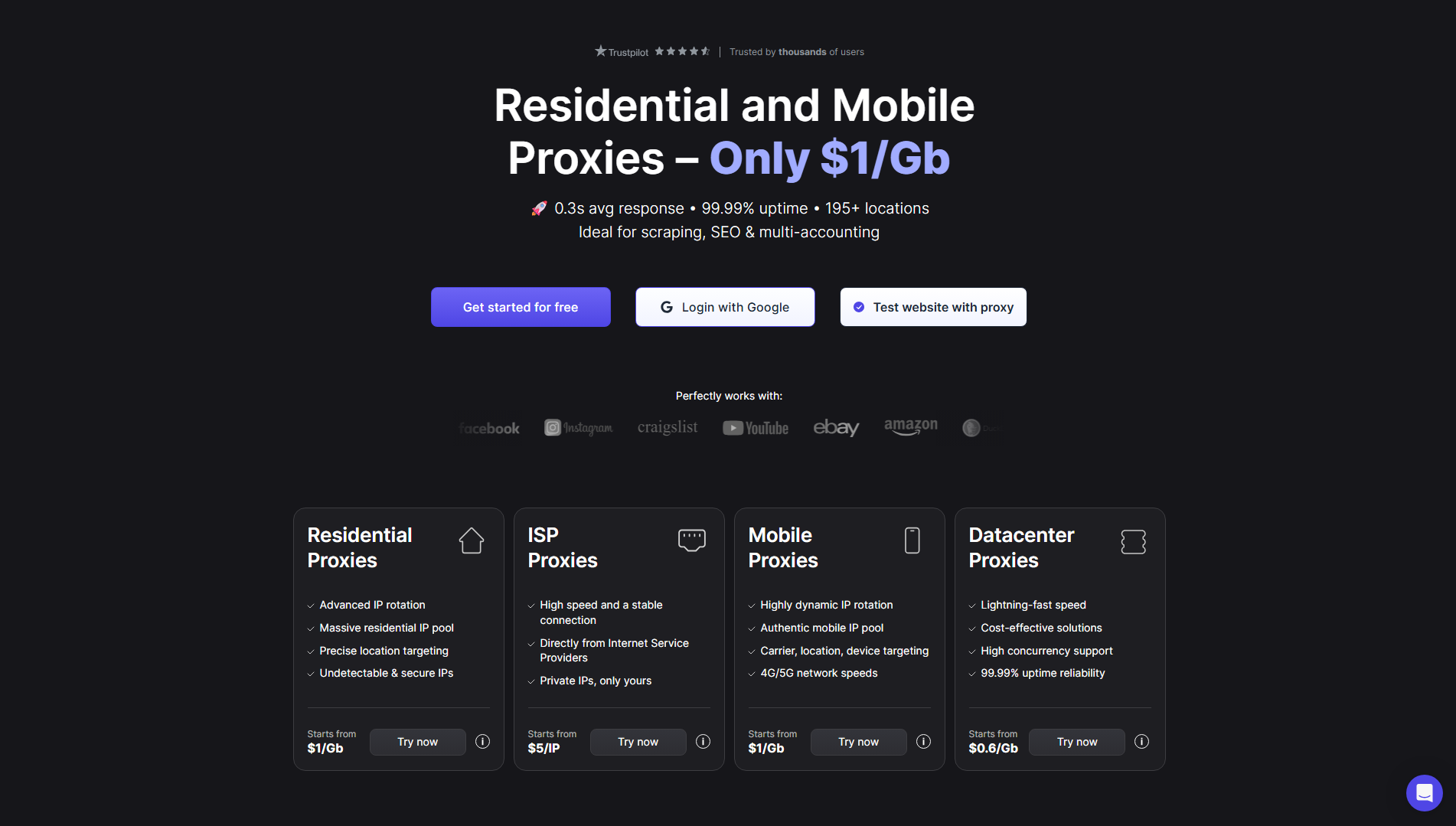
Proxies are the best way to bypass restricted websites. A reliable proxy provider like Floppydata gives you speed, security, and reliability. Like VPNs, proxy providers rent IP addresses to users but there is no VPN server involved. Instead, traffic is routed through real IP addresses around the world. These IP addresses could be mobile devices, residential devices or public servers depending on the type of proxy you choose.
When you connect via residential or mobile proxy, you’re routing your traffic through a dedicated personal IP that isn’t shared with anyone else at the same time. These IPs have a higher trust rating, speed and stability. With Floppydata proxies, you can control:
- Your IP location (select cities and countries)
- Your IP type (residential, datacenter, mobile)
- Your IP Pool (number of IPs you want to generate and use for each location)
Proxies help you maintain consistent IP addresses to manage social media accounts without compromising speed or putting your account at risk of ban due to poor IP reputation.
Antidetect Browser: Protect Your device Fingerprint & IP
An antidetect browser is a ‘browser on steroids’. It works just like a normal browser like Chrome, Safari, Firefox but masks your browser fingerprint to appear as a different device. When paired with proxies, an antidetect browser becomes the most reliable way to manage multiple accounts, and access geo-restricted content without the risk of bans and data privacy concerns.
An antidetect browser masks your device fingerprint which includes OS, browser version, WebRTC, fonts, resolution, time-zone, etc. and make your browsing session appear as a unique device. Each browser profile and antidetect browser is unique and qualifies as a different device. When you pair it with Floppydata proxies, you have an unlimited supply of unique device identities that you can use to access restricted content and manage multiple accounts at once without the risk of ban.
The best antidetect browser options to consider are Gologin and 1Browser which not only mask your fingerprint or provide built-in proxy support, but also let you share your browser profiles and sessions with other team members to carry on your activity on their device.
Tor Project: Open-Source Browser
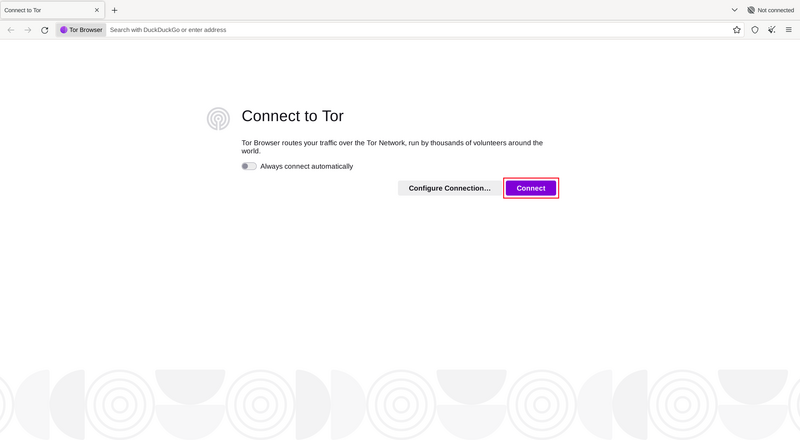
Tor Browser is one of the oldest and well-known ways to bypass restricted and censored content. Instead of routing your traffic through one VPN server, Tor routes it through multiple nodes across the globe to make it extremely difficult for governments and ISPs to detect your real location.
Tor does not have a dedicated VPN or proxy network. Since Tor is free and open-source, your traffic is routed through volunteer networks(snowflake transport). Most of these network nodes are publicly known and are blocked by some platforms. Even when using Tor, you are better off using proxies for a safer experience. Moreover, Tor’s network nodes are slower because your traffic is routed through multiple nodes before reaching the destination.
SSH Tunneling Using VPS Hosting
SSH Tunneling is a technical method used to bypass website restrictions. You create an encrypted private tunnel by buying a VPS(Virtual Private Server) on cloud platforms like Google Cloud, Hostinger, etc. You can set this VPS in another country and tunnel your traffic through this VPS.
SSH Tunneling is a technical but secure way to route traffic and access blocked content. It is used by cybersecurity professionals and developers to bypass local network restrictions. The obvious drawback is the technical setup, and sticking to a single server location unless you create and host another VPS in a different location. Proxies on the other hand offer 195+ countries without any setup cost.
Shadowsocks: Lightweight VPN Alternative
Shadowsock is an open-source SOCKS5 proxy protocol designed to bypass restrictive firewalls and internet censorship. It is a lightweight and popular VPN alternative because of better anonymity than VPNs.
Shadowsock disguises traffic like normal HTTPS browsing which makes it effective against deep packet inspection systems. However, Shadowsock protocol and servers can also get blocked by governments. Human Rights Watch reported that the Russian government blocked Shadowsock and OpenVPNs.
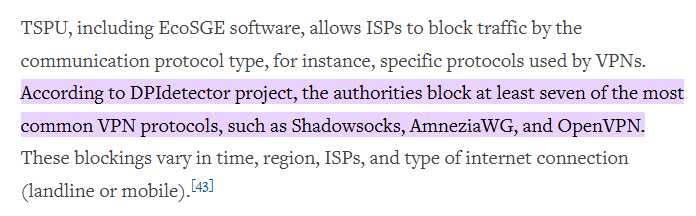
Proxies and antidetect browsers are the most reliable method of all. Relying on a specific VPN service is risky because governments can easily ban their VPN servers resulting in disruption of service. With proxies, you can always switch location, IP and proxy type.
Why Proxies Are The Best Way to Bypass Government Blocks
Proxies are the best way to access censored content and the reason is simple: You don’t need lengthy setup, they’re highly affordable, secure and work out of the box. If you need to bypass government restricted content on Chrome, Safari, Gologin, 1Browser, etc, just copy-paste proxy credentials from Floppydata to your browser’s proxy settings and you’re ready to browse.
With proxies, you decide your IP address instead of a VPN server assigning it for you. If you want to manage accounts for long-term, keeping a consistent IP is a great way to avoid verification checks and bans. Proxies are the best way to keep your IP consistent.
Another reason to choose Floppydata proxies is value for money. VPS hosting, and paid VPNs are expensive, and ineffective. They provide you with datacenter IPs shared by other users which can trigger verification checks or ban your account. With Floppydata, you have the option to choose residential or mobile proxies which are dedicated, and real. Floppydata’s pool of 70 million+ IPs from 195+ countries only cost $1/GB for both residential and mobile proxies.
Guide: How to Generate Proxies Using Floppydata
Floppydata has more than 65 million IPs from 195 countries. You can’t just select the country, you can even select the specific city that you need the proxy for, which makes your proxies appear more ‘real’. Here is a quick step-by-step guide to get proxies from Floppydata:
-
- Create Account: Sign-up on Floppydata. It’s a simple and straightforward process.
- Purchase Proxies: Successful sign-up will route you to the proxy purchase screen. You can buy rotating or static proxies (residential, mobile, datacenter).
- Generate proxies: If you bought the static proxy IP, you get a fixed IP that you can use anywhere anytime, forever. If you bought bandwidth instead of IP, you can use an unlimited number of IPs until your bandwidth (GBs) run out.Create proxy credentials of your own choice. Select city, country, state, rotation time, proxy type, etc.
- Import Proxies: Import these proxies in your browser, or device by copying and pasting these credentials in proxy settings.
How to Manage Multiple Accounts on Restricted Social Media Platforms?
Many governments have restricted X (Twitter), YouTube, Facebook and Telegram, etc. If your personal work or business requires managing multiple social media accounts that are restricted by governments, antidetect browsers + proxies is the best combination. Proxies bypass your location and IP while antidetect browser profile makes your device fingerprint anonymous. You can run multiple accounts concurrently in different Gologin browser profiles and each device will appear as a unique device with its own Floppydata proxy.
Conclusion
VPNs are not a reliable option to bypass government restrictions on some platforms. Governments and ISPs can ban VPN servers and tools that help bypass internet traffic. Proxies are the most stable, fast and reliable way in 2026 as per my experience. Staying in control of your IP, location and browsing identity is important to avoid getting detected by an ISP, or getting your account banned.